
 by Deepak Sawant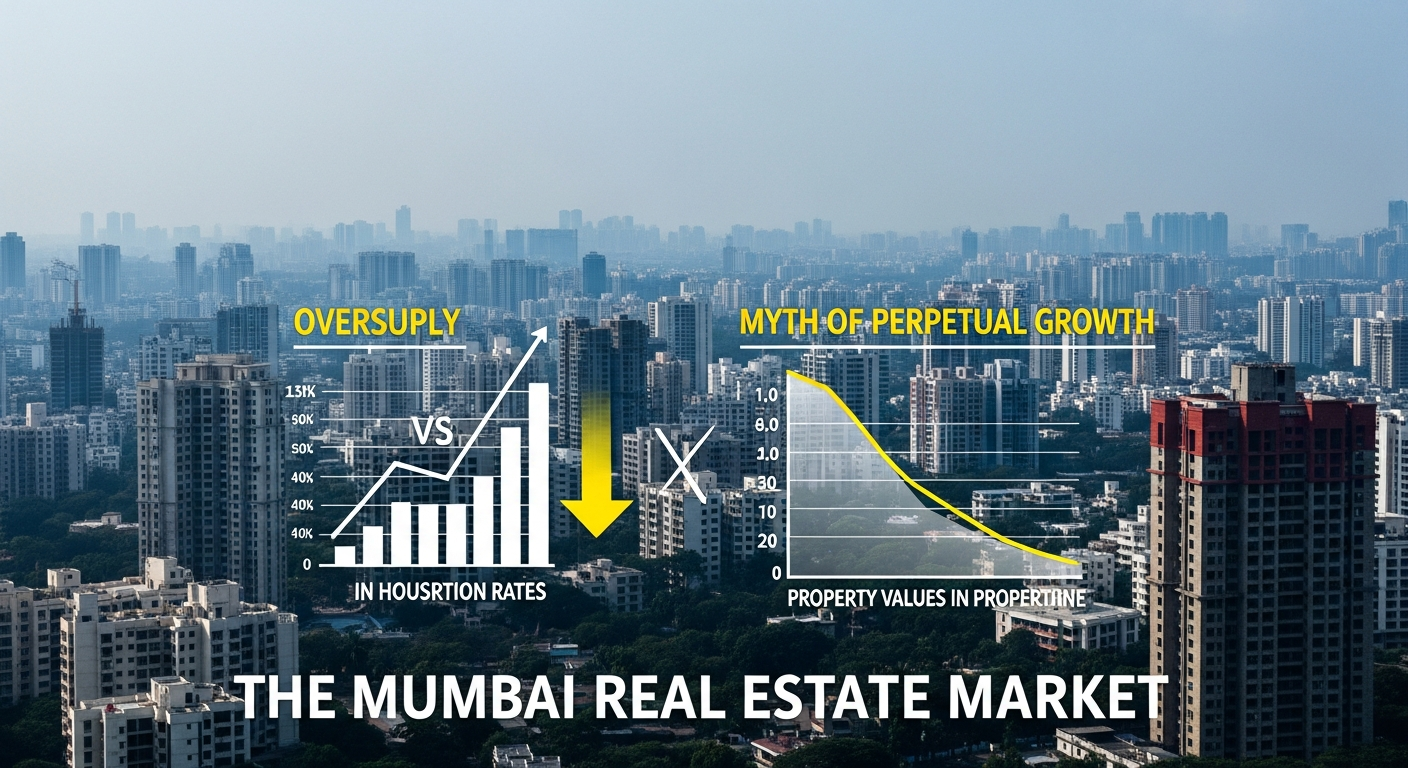
The Mumbai real estate environment, especially in areas like Bandra, is on the brink of a major change. For the first time, the city is experiencing a record-breaking rise in housing supply amidst what specialists call as “self-extinguishing demand.” This phenomenon describes possible purchasers who would usually enhance their homes but are today dissuaded by current building initiatives. Consider, for example, a Bandra resident named Anupam. Earlier on, he might have looked for a fresh home somewhere around. Still, with free extra apartments that are enough for the next ten years, some people are withdrawing from the market totally—or at least requesting just incremental space.
This dynamic is producing a mismatch: a rush of fresh inventions looking for consumers. Prominent players including Hiranandani, Oberoi, Lodha, Adani, and others are scheduling projects along vital sections like the Bandra Reclamation from the flyover to the Sea Link. High-profile redevelopments inside Bandra such as those at Rustamjee and Lodha are slated to provide luxury choices at pricing that could shock the market. One wonders whether there are enough purchasers in a little suburb like Bandra—which may mirror bigger trends in Mumbai—to absorb this inventory.
Three main categories make up the buyer pool. First, inhabitants from more distant western suburbs such Kandivali and Andheri who have gained from India’s economic expansion want to relocate to Bandra. Second, businesspeople and startup experts wanting premium lifestyles. Third, existing Bandra residents looking to move from humble communities to gated ones—unusual in the area until lately. Still, the flood of supply threatens to outstrip demand, therefore possibly causing market corrections.
One of the main dangers in real estate is becoming caught in one’s own narrative. Because it could start a self-fulfilling prophecy, media sources and advisors seldom comment on market flaws or foresee decreasing house values. Real estate’s appeal relies on the myth of continuous power; any appearance of weakness might erode buyer confidence and worsen recessionary cycles. Buyers provide roughly 70% of the money for a conventional project valued ₹100 crore. Logically, this should give them negotiating power. Many customers, however, believe that prices will only increase, which inspires rather than negotiation purchase urgency.
Builders underline this by keeping optical values—say, ₹3 crore—while quietly negotiating down to ₹2.3-2.4 crore for real purchasers. To maintain the illusion of value, advertised rates remain high since openly lowering prices can point to problems. Mumbai has experienced past price declines, although these are usually hidden. With builders pushing for “table discussions” to quietly finalize transactions, even a 20% decline could not be publicly known.
Looking forward, Bandra in 2025–26 may repeat Lower Parel’s experience in 2014–15: lots of luxury supply but not enough demand. This is a typical bull market trap, where optimism about 8–10% economic growth drives high-end projects. However, luxury buyers
rarely repeat purchases within five years; their cycles extend to 15 years or more, limiting repeat demand.
Many builders are rethinking their plans in response. Often fueled by stock market valuations rather than profitability, the recent bidding conflicts for new initiatives are decreasing. While some developers sought to increase their market capitalization or get ready for listings, they now realize the overreach. Their delay in starting may result in terminations or conflicts with companies. Although delayed projects may not spread—thanks to laws like RERA, which discourages abandonment—builders will probably finish developments even if at reduced prices and perhaps with subpar quality.
This might lead to a divided market: elite developers holding firm against desperate builders (maybe 40–50% of the industry) fiercely lowering prices. Two structures on the same street could sell for 50% less or more depending on things like how big the property is, how good the builder is, and how stable the money is. Those who are strong can wait for everything to be finished or for the market to improve; others want to sell things quickly so they do not lose money.
Mumbai’s real estate industry ultimately has to negotiate this oversupply free of unrealistic assumptions that would fuel unsustainable practices. The market could see more realistic pricing, more buyer power, and a break from the days of unbridled optimism as supply increases and demand self-extinguishes. Understanding these changes and bargaining appropriately is the secret for possible investors and homeowners.